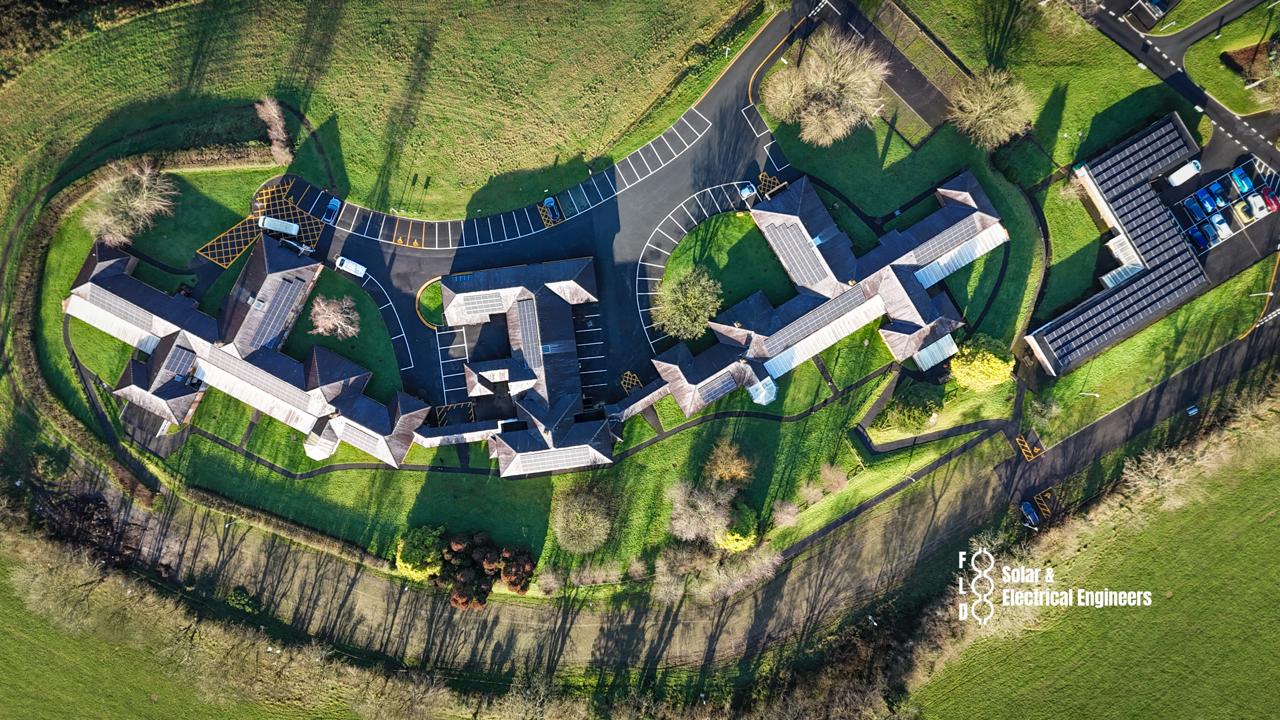
The challenge
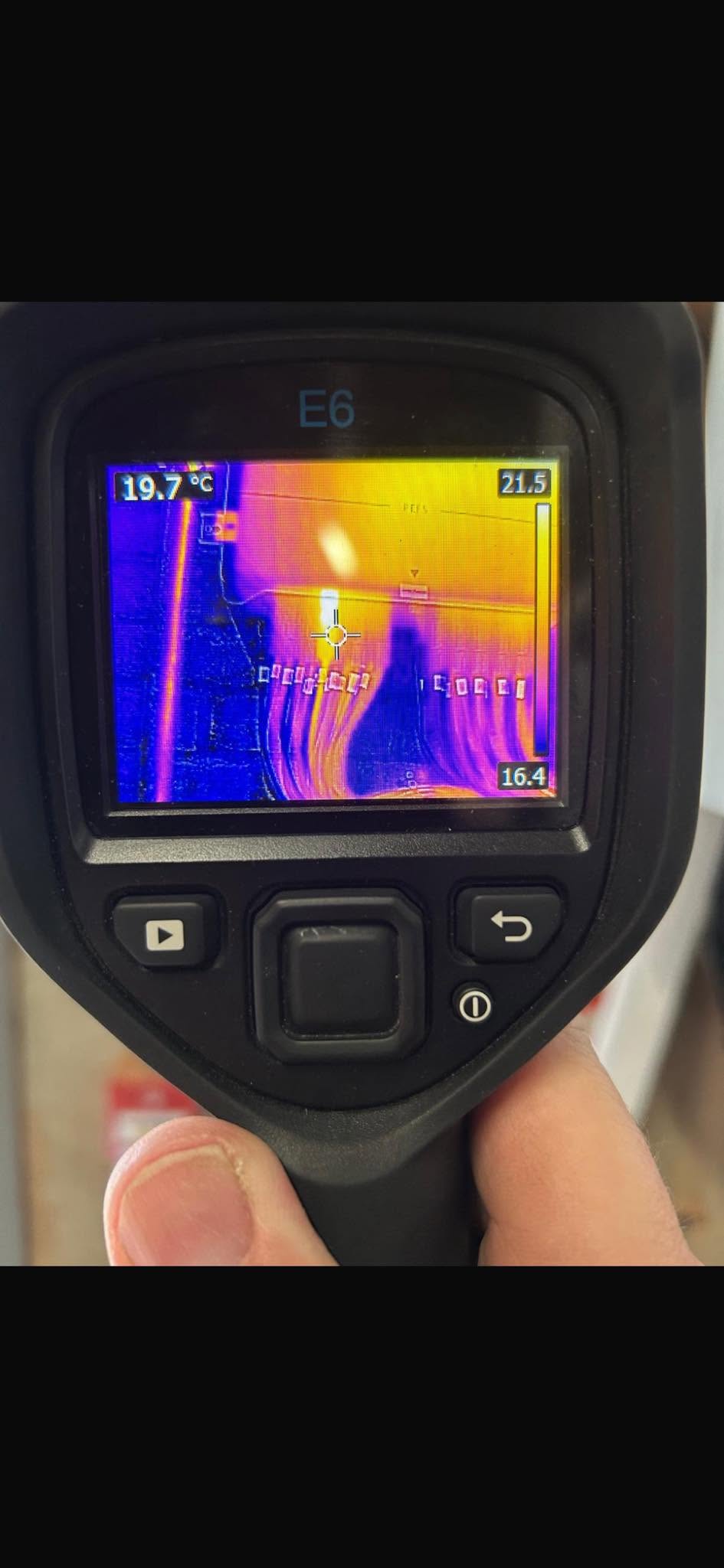
Electrical faults on a solar array rarely announce themselves. A loose or degraded DC connection can run hot for months - invisible from the ground and silent on a basic monitoring app - while it slowly cooks the surrounding cable and creates a genuine fire risk on the roof. The only reliable way to catch it early is to look at the live array with a thermal-imaging camera, which is exactly why it belongs on a maintenance schedule rather than a reactive call-out.
Our solution
During a routine annual maintenance visit FLD ran a thermographic survey of the array with a thermal-imaging camera. The infrared image showed a clear hot-spot at a DC connection, running well above the temperature of the conductors around it - the signature of a high-resistance joint. FLD isolated the circuit, replaced the problematic DC connection, and re-tested to confirm the temperature profile had returned to normal.
The result
A developing fire risk was found and eliminated before it could cause damage or downtime, and the array was returned to safe, fully-documented working order with the thermal images kept as part of the maintenance record. It is a direct illustration of why FLD builds infrared inspection into its solar maintenance: the problems that threaten an asset most are the ones you cannot see without the right equipment.
Planned preventative maintenance, purified-water panel cleaning, thermographic fault-finding and performance testing for commercial and domestic solar arrays across Swansea and South Wales.
Discuss a scheme like Thermography Finds a Solar Fire Risk
Send us the outline of your site and we will come back within one working day with a feasibility view and an honest lead time.