The Minimum Energy Efficiency Standards (MEES) for commercial properties in England and Wales have created an accelerating compliance imperative for commercial landlords. From April 2023, it became unlawful to continue letting a commercial property with an EPC rating below band E. Welsh Government consultation in 2024 and 2025 signalled a tightening to band C as a condition of new commercial tenancies from 2027 — a threshold that materially increases the proportion of Welsh commercial stock requiring remediation.
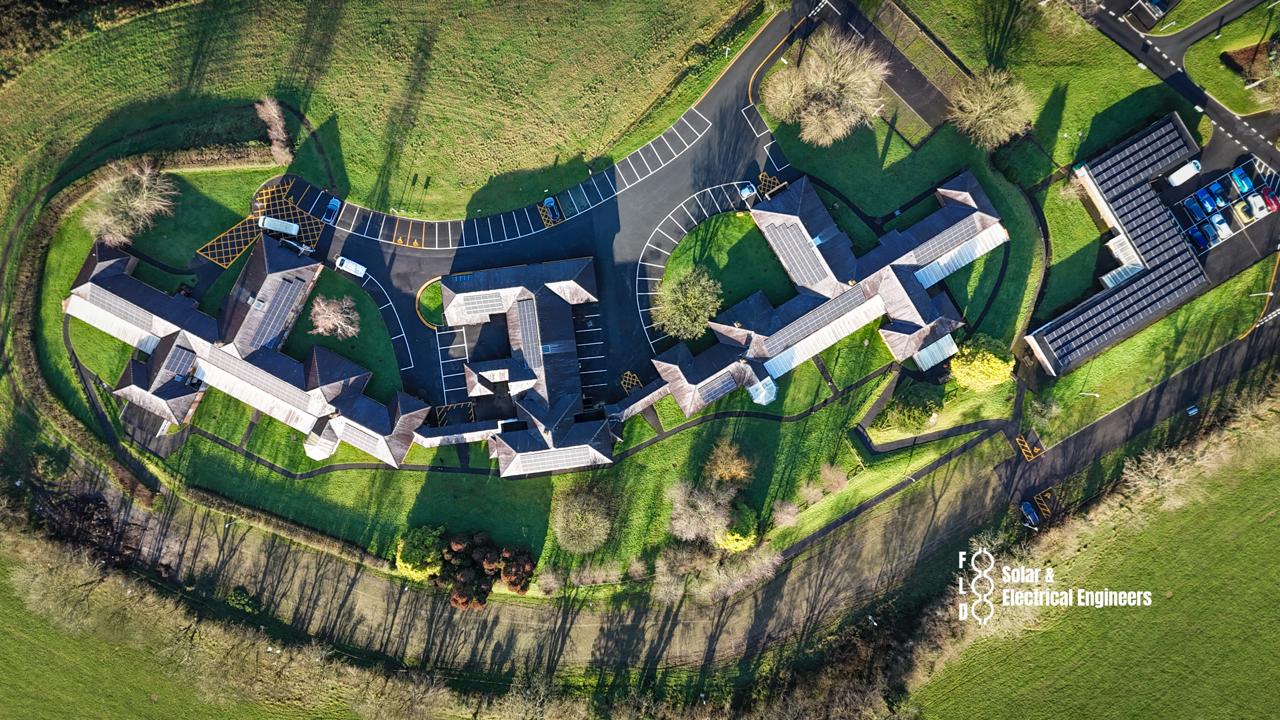
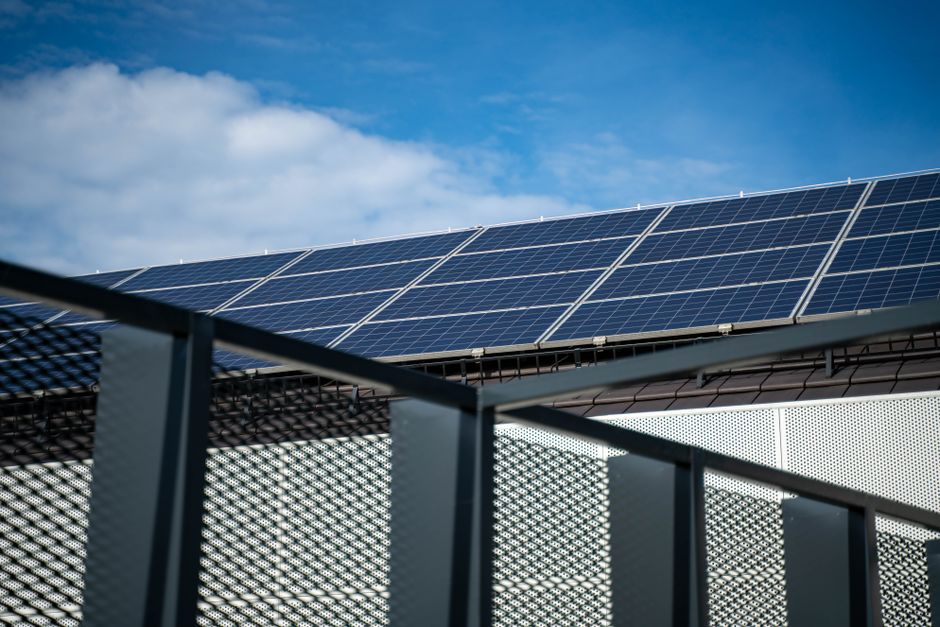
For properties where structural fabric improvements (insulation, glazing, heating system replacement) are either cost-prohibitive or physically limited by building type, rooftop solar PV is frequently the most cost-effective route to EPC band improvement.
How solar PV affects the EPC asset rating
The EPC asset rating for commercial properties is calculated under the Non-Domestic Energy Performance of Buildings Directive methodology. Solar PV reduces the notional CO2 emissions intensity of the property by offsetting grid electricity consumption with lower-carbon on-site generation. The offset is calculated as a notional annual generation figure based on the installed array size and building location, multiplied by the grid electricity carbon intensity factor used in the assessment.
In practical terms, a 50 kWp array on a 1,000 m2 office building in Cardiff typically improves the EPC asset rating by 8 to 15 points — sufficient to move a property from band D to band C, or from band C to band B, depending on the building’s baseline performance.
The precise improvement depends on the building’s notional floor area, the array size, and the existing EPC baseline. FLD provides an EPC asset rating sensitivity estimate at feasibility stage, before any commitment to survey or installation.
The compliance economics
For commercial landlords planning against the proposed EPC B milestone, the decision framework compares two costs:
-
Void risk cost: A property below the legal minimum cannot be let to new tenants under MEES. The floor today is band E; the interim band C by 2027 milestone was withdrawn in the government’s June 2026 interim response, and band B by 2030 is proposed but not yet law. The annual rental income loss from being unable to let — or the discount required to attract tenants under a MEES waiver — constitutes the compliance cost of inaction.
-
Remediation cost: Rooftop solar PV at 50 kWp costs approximately £43,000 to £48,000 installed. For a commercial property generating £40,000 per year in rental income, the solar installation cost is recovered within 13 months of avoided void risk — before any energy cost saving to the occupier is considered.
For owner-occupiers rather than landlords, the MEES threshold is less immediately relevant (the regulations apply to lettings, not owner-occupation), but EPC asset ratings increasingly affect asset valuations at disposal — particularly for institutional investor buyers with ESG portfolio requirements.
Properties at highest MEES risk in South Wales
The South Wales commercial stock most likely to be below band C in 2026 includes:
- Pre-1980 office pavilion buildings in Cardiff Bay, Newport City Centre and Swansea City Centre with poor thermal fabric
- Pre-1990 industrial and warehouse units on legacy business parks at Bridgend CF31, Llantrisant CF72 and Swansea SA6
- Rural commercial properties in Carmarthenshire and Pembrokeshire with oil or LPG heating and poor insulation
- Listed commercial buildings in conservation areas where fabric improvements are constrained by planning consent requirements
For listed or conservation area commercial properties, solar PV may be the only MEES remediation measure that does not require listed building or conservation area consent — depending on the specific building and roof configuration.
Green leases and landlord-tenant cost sharing
MEES compliance costs on multi-tenanted commercial buildings require negotiation between landlord and tenant where the investment benefits the tenant (lower energy costs, better EPC rating supporting lease renewal) but the capital falls on the landlord. Green lease clauses — now standard in institutional-grade commercial leases — provide a legal framework for cost-sharing arrangements.
FLD’s commercial proposals for multi-tenanted buildings include a green lease cost-sharing analysis showing the landlord’s capital outlay, the tenant’s energy cost saving, and a proposed sharing mechanism. A typical arrangement: landlord provides capital; tenant repays 50% of the capital cost as a service charge supplement over 5 years from the energy cost saving generated.
AIA and Corporation Tax treatment
The landlord’s capital investment in solar PV qualifies for Annual Investment Allowance — 100% of the cost deducted against taxable profit in the year of installation. For a company landlord paying Corporation Tax at 25%, a £48,000 solar installation on a commercial property generates a first-year AIA tax credit of £12,000, reducing effective capex to £36,000 and improving the payback on MEES compliance investment.
Getting a MEES compliance assessment
FLD provides combined solar feasibility and EPC asset rating sensitivity assessments for commercial properties approaching the 2027 MEES threshold. The assessment confirms the EPC improvement achievable from rooftop solar, the installed cost, the AIA tax benefit, and the projected payback against void risk and energy cost saving.
Call Paul on 07913 117746 or use the contact page to discuss MEES compliance options for your commercial property.