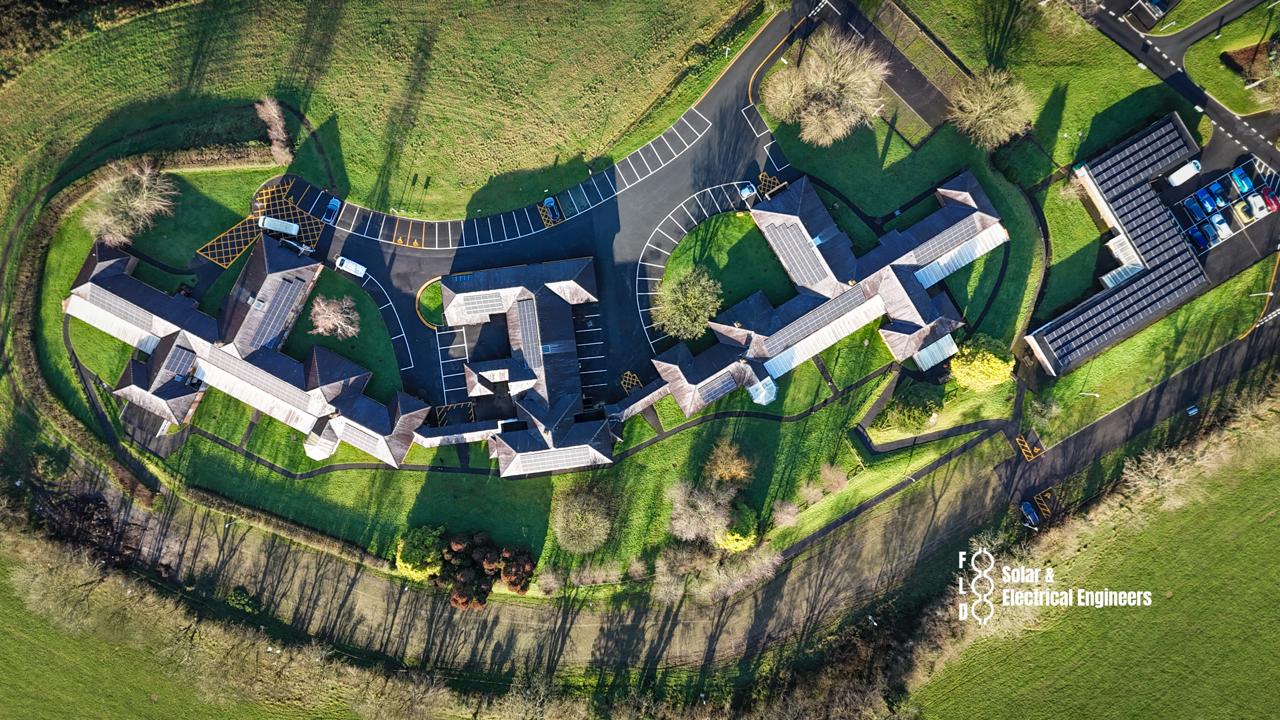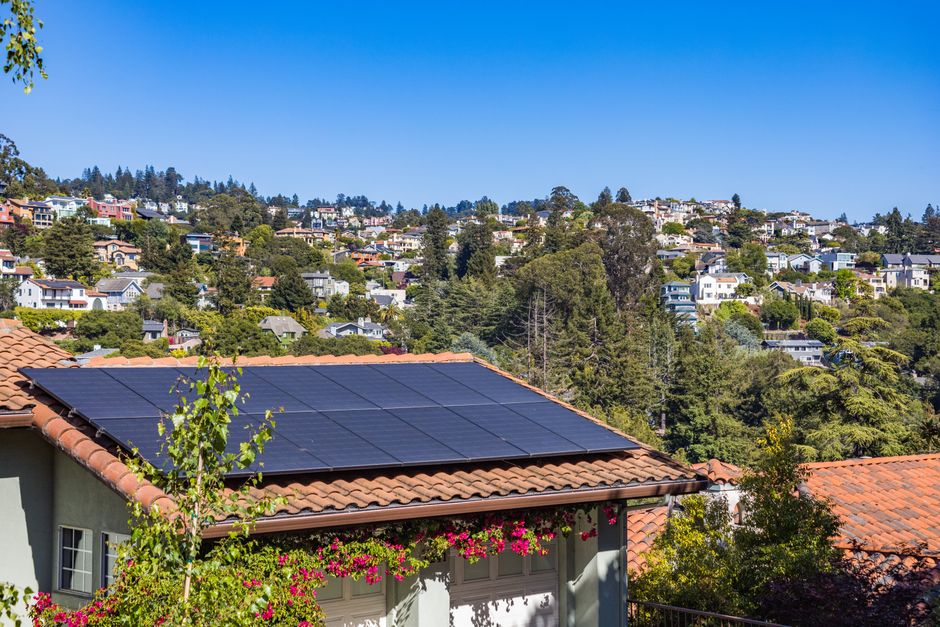
The most common question we hear at FLD is some variant of the same thing: does solar actually work in Swansea?
The short answer is yes, and the data is unambiguous. The longer answer is that South Wales is not significantly less productive for rooftop solar than most of southern England, and the economics work cleanly at both domestic and commercial scale.
What the PVGIS data shows
The European Commission Joint Research Centre PVGIS database is the gold standard for solar irradiation modelling in Europe. For Swansea and the wider SA postcodes, PVGIS returns a typical annual yield of 940 to 965 kWh per kWp installed. Pembrokeshire, counter-intuitively, sits higher at 970 to 985 kWh/kWp thanks to lower average cloud cover and unobstructed coastal horizons.
For comparison:
- London: approximately 970 kWh/kWp
- Birmingham: approximately 945 kWh/kWp
- Manchester: approximately 920 kWh/kWp
- Swansea: approximately 950 kWh/kWp
- Milford Haven: approximately 980 kWh/kWp
Swansea is materially better than Manchester and within a few per cent of London.
What this means for a 4 kWp domestic system
A properly sited 4 kWp domestic rooftop PV system in Swansea will typically generate 3,800 kWh per year. At current electricity prices of 28 to 30p/kWh, with a 35% self-consumption rate, that produces around £400 of direct savings plus a further £250 to £400 of SEG export income, for a total year-one benefit of £650 to £800 against an installed cost around £8,000.
Rainy does not mean cloudy all day
Swansea genuinely does get more rainfall than most of the UK, but rain falls overnight or in short bursts far more often than it persists. Solar panels generate in diffuse light as well as direct sunlight, with typical winter days producing 15 to 25% of peak summer output. The system economics are built on annual average, not any given day.
The conclusion is simple. If your roof pitch and orientation are reasonable, South Wales is a sound solar market.